

What Operations Management Encompasses
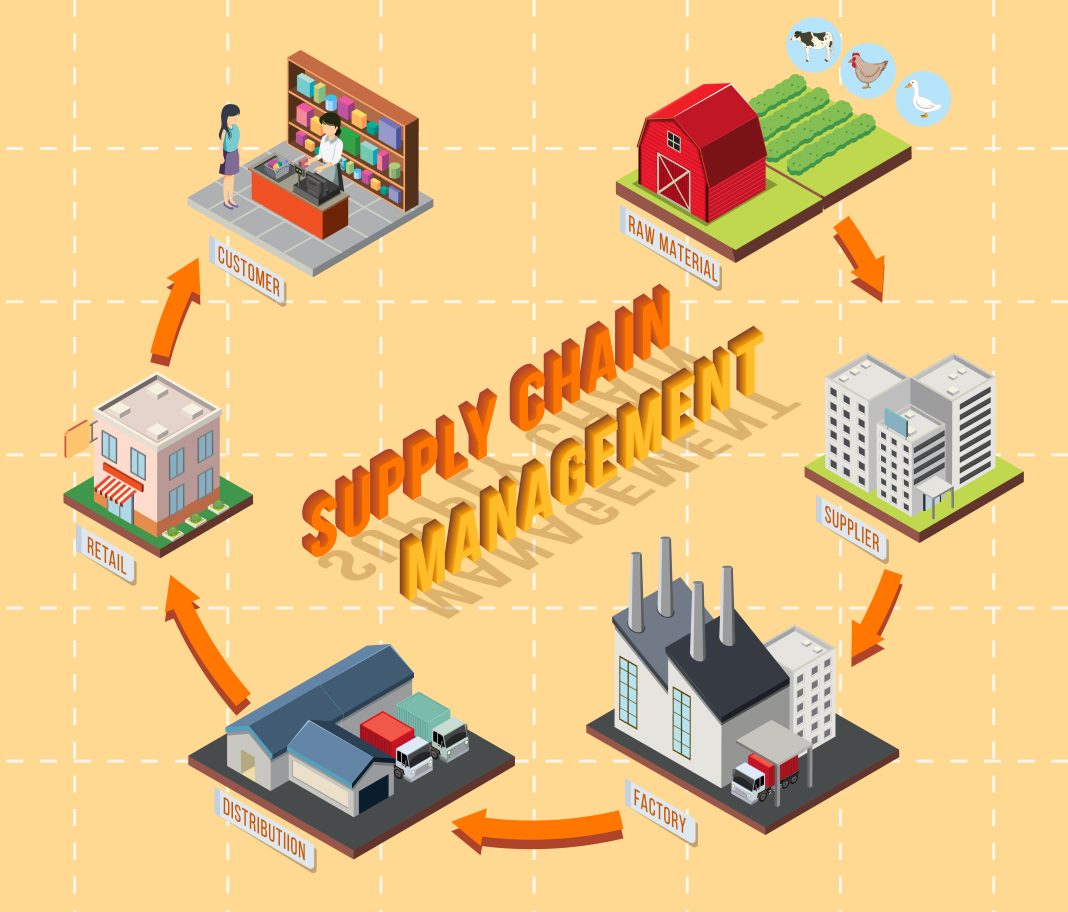
Operations management is the discipline concerned with the design, management, and improvement of the processes that produce and deliver products and services. In a manufacturing context, operations management encompasses the production planning that determines what to make and when, the capacity management that ensures adequate production capability is available when needed, the quality management that ensures products meet specifications, the maintenance management that keeps equipment operational, and the continuous improvement processes that systematically make the operation better over time. The operations manager is responsible for the engine of the business — the processes that convert inputs into the outputs that customers pay for.
The operations management priority that most clearly distinguishes excellent from adequate manufacturing operations: the balancing act between the three operational objectives that most commonly exist in tension — cost (producing at minimum cost per unit), quality (producing at consistent, high quality), and speed (producing and delivering quickly). The operation that optimises cost by producing in long runs with infrequent changeovers may produce slowly and with high inventory; the one that optimises speed by producing in small batches with frequent changeovers may cost more per unit. The operations strategy that explicitly defines the priority among these objectives for the specific competitive environment enables the operational design choices that optimise for the chosen priority rather than attempting to be equally good at all three simultaneously — a balance that typically produces mediocrity rather than excellence on any single dimension.
Production Planning and Scheduling
The production planning process that most effectively translates customer demand into efficient production schedules: the Master Production Schedule (MPS) that specifies what finished goods will be produced and when, derived from the demand forecast and existing customer orders, and constrained by available production capacity and material availability. The MPS is the central planning document that drives the Material Requirements Planning (MRP) system’s calculation of what materials must be purchased and when, and the production schedule’s specification of which jobs will be run on which equipment at which times.
The production scheduling constraint that most commonly reduces actual production output below theoretical capacity: the setup time required when the production line changes from one product or configuration to another. The production schedule that requires twelve changeovers per week on a line with two-hour setups loses twenty-four hours of production time per week to changeovers — the equivalent of three full production shifts. The SMED (Single-Minute Exchange of Die) methodology that systematically reduces setup time by converting internal setup steps (performed while the machine is stopped) to external setup steps (performed while the machine is running) is the lean manufacturing tool that most directly increases available production time without any capital investment in additional equipment.
Capacity Management
The capacity management challenge that most affects manufacturing businesses in growth phases: the timing and scale of capacity additions. The capacity addition that is too small relative to actual demand growth creates the production constraints that limit revenue and damage customer relationships; the addition that is too large relative to actual demand growth creates the underutilised assets and overhead costs that damage profitability. The capacity management discipline that most reliably produces good timing decisions: the rolling capacity projection that extends the production plan twelve to twenty-four months forward, tracking the expected demand against the planned capacity and identifying the timing and magnitude of capacity additions required to maintain the target utilisation range.
The capacity measurement metric that most clearly reveals whether the operation’s capacity is being effectively utilised: the capacity utilisation rate (actual production output divided by theoretical maximum production capacity) and its complement, the capacity gap. The operation running at 65% utilisation has significant available capacity that could be used to produce more without capital investment; the one running at 95% utilisation has minimal headroom and needs capacity expansion to sustain growth without sacrificing delivery performance. The target utilisation range that most manufacturing managers aim for — typically 75 to 85% — provides enough headroom to absorb demand surges and maintenance requirements without the excess capacity cost of significantly lower utilisation.
Quality Management Systems
The quality management approach that most clearly distinguishes the manufacturing operation that consistently produces defect-free output from the one that manages quality reactively through inspection and rework: the built-in quality culture that treats every operator as responsible for the quality of their own output rather than delegating quality responsibility to an inspection function. The operation where quality is inspected in at the end of the production line catches defects only after value has been added to defective work; the one where quality is built in by operators who understand and control the process parameters that determine quality catches the process deviation that would produce a defect before the defect is produced.
The quality management system certification that most clearly signals to customers that a manufacturer’s quality processes meet internationally recognised standards: the ISO 9001 certification that documents and verifies the manufacturer’s quality management system against the requirements of the ISO 9001 standard. The certification does not guarantee product quality — it certifies that the processes, documentation, and management systems are in place to consistently produce quality outcomes — but it provides the audited assurance that customers in many industries and markets require before qualifying a supplier. The ISO 9001 implementation process that forces the documentation and systematisation of quality processes often produces operational improvement independent of the certification value.
Performance Measurement and Continuous Improvement
The operational performance measurement framework that most effectively drives continuous improvement: the KPI dashboard that measures the operational metrics most directly connected to customer and business outcomes (on-time delivery performance, quality defect rate, production throughput versus plan, equipment availability, and cost per unit) at the frequency that allows timely management intervention (daily or weekly for operational metrics; monthly for trend analysis). The dashboard that is reviewed daily in a brief operations meeting and that triggers specific problem-solving when metrics fall below target provides the visibility and urgency that most effectively motivates continuous improvement action.
The continuous improvement culture infrastructure that most effectively sustains ongoing operational improvement beyond the initial improvement initiative: the employee suggestion system that channels the operational knowledge of front-line workers into improvement ideas, the standard work documentation that defines the current best-known method for each operation (providing the baseline against which improvements can be measured), and the problem-solving discipline that responds to every significant operational problem with a structured root cause analysis rather than a quick fix that addresses the symptom without the cause. The operation that consistently applies structured problem-solving to every significant deviation builds the improvement capability and the improvement culture that makes operational excellence a self-sustaining discipline rather than a periodic initiative.