
Key Takeaways
- Responsibility for a Pennsylvania slip and fall depends on the property condition, who controlled the area, notice of the hazard, and the facts of the fall.
- Property owners, tenants, businesses, landlords, maintenance companies, and government entities may each have different duties.
- Photos, witness information, incident reports, and prompt medical records can be important evidence.
- A person’s own actions may affect a claim, but partial fault does not automatically end it.
- Time limits and special notice rules can apply, especially when public property is involved.
A slip and fall can happen in seconds, whether on a wet grocery-store floor, an icy Philadelphia sidewalk, a poorly lit apartment stairwell, or a cracked parking-lot surface. For someone injured in a slip and fall accident, the central question is often whether another person or organization failed to address an unsafe condition.
In Pennsylvania, responsibility is not determined simply because someone fell on another person’s property. The circumstances matter. A careful review may consider who owned or controlled the location, how long the hazard existed, whether anyone had been warned about it, and whether reasonable steps could have prevented the incident.
Who May Be Responsible For A Slip And Fall?
The party responsible may be the property owner. Still, it could also be a tenant, a commercial business, a property manager, a maintenance contractor, or another party that controlled the area where the fall occurred. For example, a shopping center owner may retain responsibility for common walkways, while an individual store may control the condition inside its entrance and aisles.
Landlords may have responsibilities for shared spaces in an apartment building, such as hallways, exterior stairs, laundry rooms, and parking areas. A tenant may be responsible for a hazard inside a leased unit. When a snow-removal contractor, cleaning company, or maintenance vendor handled the area, that company’s work and contract obligations may also become relevant.
Proving A Dangerous Condition
A fall alone does not establish negligence. Usually, the injured person must show that a dangerous condition existed and that the responsible party failed to exercise reasonable care under the circumstances. Hazardous conditions can include liquid spills, loose carpeting, uneven pavement, broken handrails, missing stair treads, poor lighting, cluttered aisles, or ice accumulation.
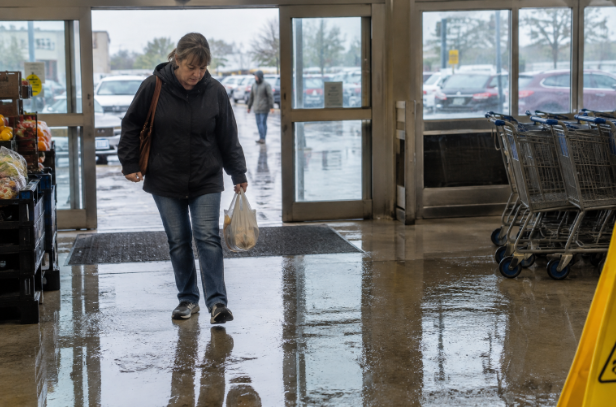
The key issue is often whether the condition posed an unreasonable risk. A wet entryway during a Pennsylvania rainstorm, for instance, may require regular monitoring, cleaning, mats, or warning signs depending on the location, the amount of water present, and the traffic through the entrance.
Why Notice Matters In Pennsylvania Slip And Fall Claims
Property liability frequently turns on notice. If an employee spilled a drink or a business created the dangerous condition, the business may be treated differently than if an unknown customer caused the spill moments before the fall. When the owner did not create the hazard, the question may be whether the owner actually knew about it or should reasonably have discovered it through inspections.
Evidence such as surveillance video, cleaning logs, inspection records, employee statements, and earlier complaints can help clarify how long a condition existed. A warning cone or sign may also matter, although the presence of a sign does not always resolve whether the warning was adequate or visible.
Common Pennsylvania Locations For Slip And Falls
Slip-and-fall risks vary across Pennsylvania communities and properties. In cities such as Philadelphia, pedestrian traffic, aging sidewalks, crowded storefronts, and winter weather can create distinct concerns. In suburban and rural areas, uneven walkways, poorly maintained lots, and untreated ice may be more prominent issues.
- Retail stores and supermarkets: spills, leaking refrigeration units, fallen merchandise, and wet entrances.
- Restaurants and bars: food or drink spills, slippery kitchen-adjacent floors, and dimly lit paths.
- Apartment buildings: loose stairs, broken railings, inadequate lighting, and icy common areas.
- Parking lots and garages: potholes, poor drainage, cracked pavement, and snow or ice.
- Hotels and entertainment venues: crowded walkways, wet pool areas, damaged flooring, and poor maintenance.
- Private homes: unsafe steps, loose rugs, defective decks, and unrepaired exterior conditions.
What To Do After A Fall
Health and safety come first. Seek medical attention when there is pain, a head impact, dizziness, swelling, numbness, difficulty walking, or any concern about a fracture. Some injuries, including soft-tissue damage and concussions, may not be obvious immediately after the fall.
If possible, report the incident before leaving. Ask a manager, landlord, security officer, or supervisor to make an incident report, and record that person’s name and role. Keep the report factual. Avoid guessing about what caused the fall or minimizing symptoms before a medical evaluation.
Evidence Checklist
- Photograph the hazard, the surrounding area, the lighting, the signs, and the weather conditions.
- Get names and contact details from witnesses.
- Preserve the shoes and clothing worn during the incident.
- Save medical records, bills, prescriptions, and therapy instructions.
- Keep receipts for transportation, medication, mobility aids, and other expenses.
- Document missed work, reduced hours, and day-to-day physical limitations.
Can The Injured Person Share Fault?
Possibly. A property owner may argue that the hazard was open and obvious, that the injured person was distracted, or that footwear or conduct contributed to the fall. Pennsylvania follows comparative negligence rules. Under the state’s comparative negligence statute, a person may still recover damages even if their negligence is less than the combined negligence of the defendants. However, any recovery may be reduced by that person’s percentage of fault.
Shared fault is highly fact-specific. Video footage, eyewitness accounts, maintenance records, lighting conditions, and the exact nature of the hazard can all influence the analysis.
Falls On Government Property
Falls at a public school, municipal building, SEPTA-related area, park, courthouse, or government-maintained sidewalk can involve additional legal issues. Government entities may have immunity protections, limited exceptions, and notice requirements that do not apply to private businesses or homeowners. Identifying the correct public entity quickly can be important.
Deadlines And Next Steps
For many personal injury claims, Pennsylvania law provides two years to start an action for injuries caused by another person’s negligence. This two-year limitation period is an important starting point, but it is not the only timing issue. Claims involving government property, minors, delayed discovery issues, or other special circumstances may require a different analysis.
A prompt review can help preserve surveillance footage, witness memories, maintenance records, and other evidence that may disappear with time. Serious injuries, disputed responsibility, multiple possible defendants, or a fall on public property are all situations where professional legal guidance may be useful.
Final Thought
Responsibility for a slip and fall accident in Pennsylvania depends on more than the location of the fall. The strongest analysis examines the hazard, the party in control, the available notice, the response to the danger, and the evidence connecting the condition to the injury. Acting quickly to obtain medical care and preserve details can make the process clearer in the weeks and months that follow.